

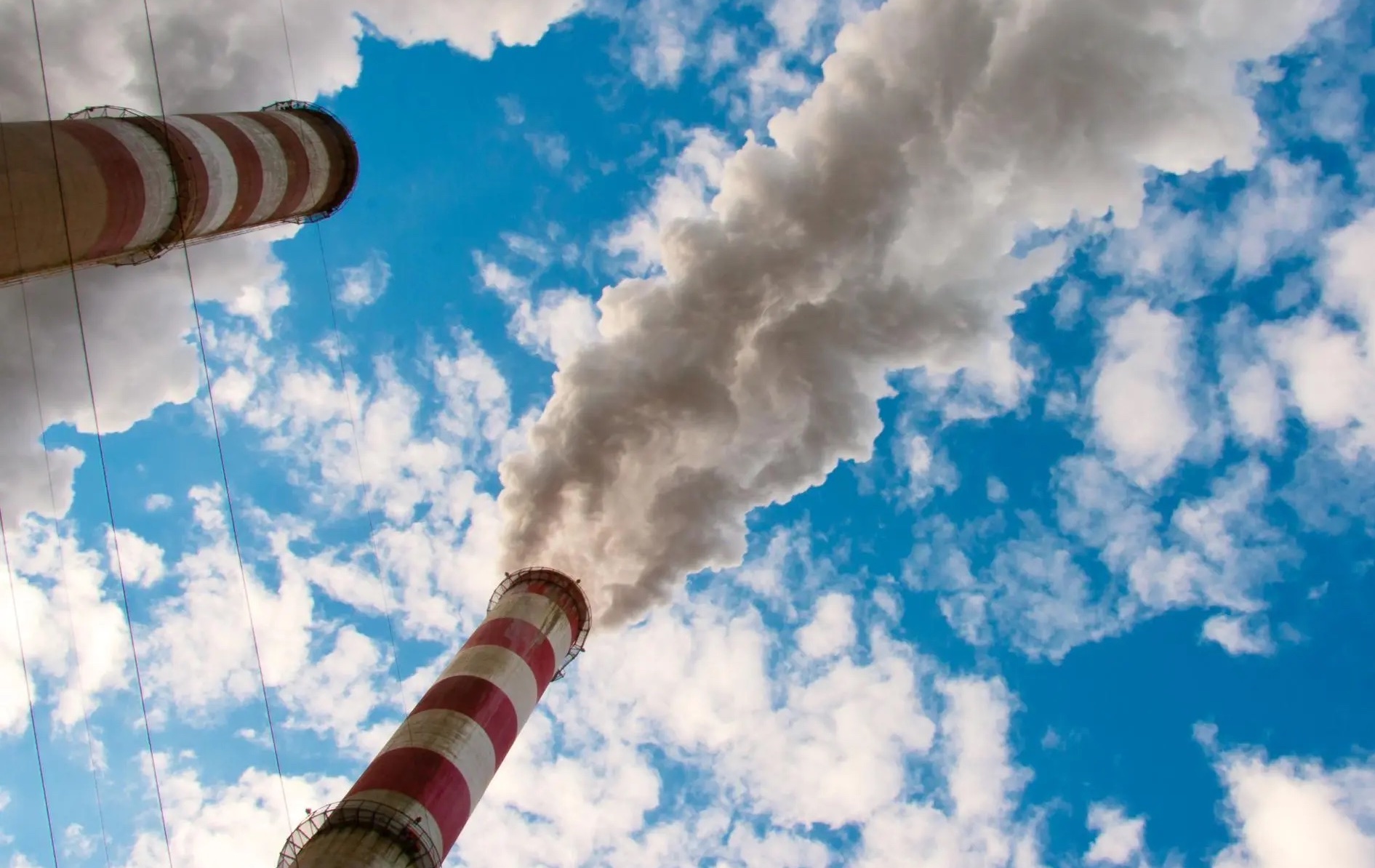
Oil and gas companies have urged the European Union to pause its Methane Regulation, warning that it could put EU gas and crude oil imports at risk from 2027.
A new industry-based study by Wood Mackenzie released on March 9 shows that the EU Methane Emissions Regulation (EUMR) could put up to 43 percent of EU gas imports and 87 percent of crude oil imports at risk from 2027.
The International Association of Oil & Gas Producers (IOGP) and FuelsEurope claimed that this compliance-driven oil and gas supply gap would have serious implications for Europe’s energy affordability, competitiveness, security of supply and strategic autonomy. European refiners and oil & gas suppliers urgently call for a Stop-the-Clock mechanism to make targeted adjustments to the Regulation, coupled with pragmatic implementation, FuelsEurope said in a press release.
The EU Methane Emissions Reduction Regulation aims to reduce methane emissions from the energy sector, covering crude oil, gas, and coal activities across the entire supply chain within the EU and from the production level for EU imports. From January 2027, the EUMR requires importers of natural gas and crude oil to demonstrate that exporting countries or producers meet strict Monitoring, Reporting and Verification (MRV) requirements equivalent to EU standards, or meet a industry standard known as Oil and Gas Methane Partnership 2.0 level 5.
A European Commission official talking on condition of anonymity said on March 19 the Commission stands by the EU Methane Regulation, which is first of its kind, and its ambition. “We are confident that the EU Methane Regulation does not pose any barriers to energy trade. We are in close contact with all our suppliers as the focus now is on its implementation,” the Commission official told NE Global.
As an example, the official noted that the EU Methane Regulation has not stopped different EU companies from signing agreements with U.S. Liquified Natural Gas (LNG) providers in recent months. “We remain flexible as regards looking into ways to facilitate the implementation of our framework,” the Commission official said.
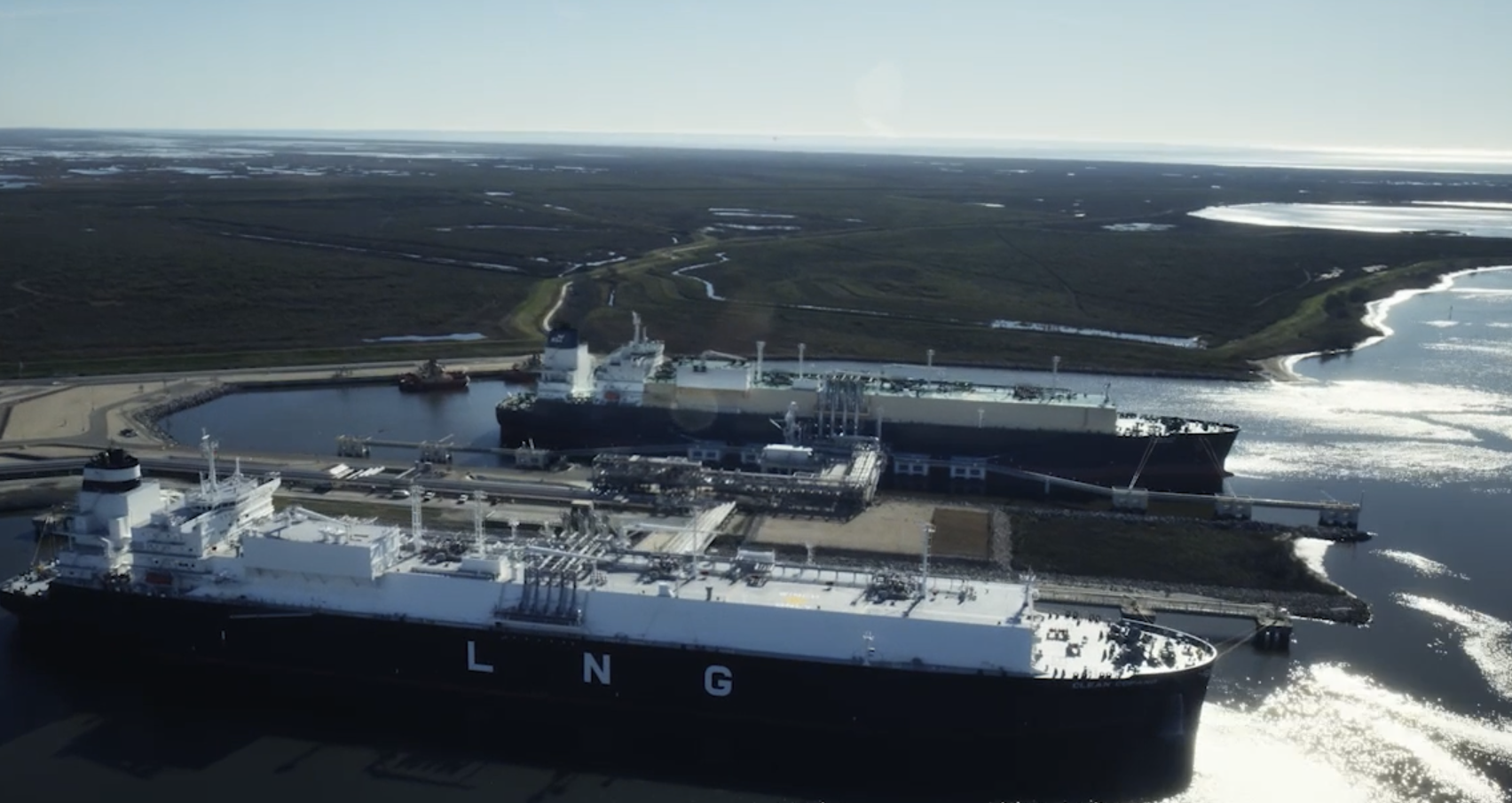
The U.S. government has reportedly demanded the EU exempt U.S. oil and gas from its Methane Emissions Law until 2035.
After the release of the study on March 9, IOGP Europe Managing Director François-Régis Mouton de Lostalot argued that the EU cannot afford a self-made regulatory supply shock, even more so in the current geopolitical context. This is an increasingly convincing argument, especially since oil and gas prices have surged this month in response to the war in the Middle East, following U.S. and Israeli strikes on Iran.
“Flexible implementation cannot supersede the problematic provisions hard coded in the Regulation,” he said. “Methane mitigation is a matter of credibility for our industry. But despite our best efforts, what the Regulation asks for is simply not feasible in the mandated timeframe. Supply agreements are delayed because the risk of penalties is too high. We need and want a Regulation we can realistically comply with; one that delivers on methane reduction while ensuring Europe’s security of supply,” he added.
FuelsEurope Director General Liana Gouta said the study shows that insufficient volumes of compliant crude are available globally to sustain current EU refining operations. “There is a practical implementation gap to be addressed urgently. Europe risks losing a significant part of its refining capacity, increasing fuel imports and costs for consumers, and accelerating deindustrialization,” Gouta said, adding, “Methane ambition must go hand in hand with safeguarding Europe’s energy resilience and industrial competitiveness.”
Europe could shift from being a major gasoline exporter to a net importer, increasing the EU’s fuel import bill by more than $17 billion annually, FuelsEurope cautioned. The industry-based study furthermore shows that gasoline prices could rise by 24 percent and diesel by 16 percent, adding costs across transport, manufacturing and energy-intensive sectors. Reduced domestic refining would also risk undermining the environmental objective of the Regulation, as more petroleum products would need to be imported from farther-away jurisdictions not subject to equivalent producer-level methane reporting standards.