


The U.S. Treasury Department, under its new program called “Economic Fury,” announced in rapid succession five sets of fresh Iran sanctions beginning on April 15 and continuing into May, reinforcing this with almost daily high-level warnings about potential secondary sanctions enforcement actions.
Despite the ceasefire, the second half of April saw one of the most aggressive, multi-layered U.S. sanctions campaigns in years, shifting from Iran-centered sanctions to significantly increase enforcement against Chinese and other foreign buyers of Iranian oil products, although some had already been hit with earlier U.S. sanctions, especially “shadow fleet” operators.
The new wave of sanctions is building to a crescendo in view of the impending meetings of U.S. President Donald Trump with his Chinese counterpart Xi Junping in Beijing on May 14-15. China is clearly the key country to watch, as China has been Iran’s top trading partner since 2016. This trade has provided an economic lifeline to Iran, and last year China accounted for around 80 percent of Iran’s oil exports, aided by a heavily sanctioned, and now partially blockaded, shadow fleet.
However, China is not dependent on Iran for its oil supplies as long as energy supplies are available to the highest bidder on global markets.
Details of “Economic Fury” sanctions
While still focused on Iran, April marked a clear move to sanction third countries. However, in essence the new packages are essentially more of the same with the fine tuning being labeled by the Trump administration as a major new initiative when they might not meet the test if checked line-by-line against earlier Iran packages produced by the Treasury Department’s Office of Foreign Assets Control (OFAC).
These latest sanctions covered:
- Oil exports (core revenue)
- Shipping/logistics (“shadow fleet”)
- Finance (crypto and gold schemes)
- Military procurement (missiles, drones)
April 15, 2026 – Oil smuggling and transport network
This major sanctions package targeted Iran’s oil export system, hitting networks tied to illicit oil transport and sales, dozens of individuals, companies, and vessels and also zeroing in on Iranian regime elites and proxy financing.
April 21, 2026 – Weapons procurement and aviation networks
With the intent to block Iran’s ability to rebuild missile and drone capabilities after conflict losses, OFAC sanctioned 14 individuals, companies, and aircraft across Iran, Turkey, UAE. Sanctions also included actors linked to Mahan Air logistics network.
April 24, 2026 – Oil buyers, shipping fleet and Central Bank update
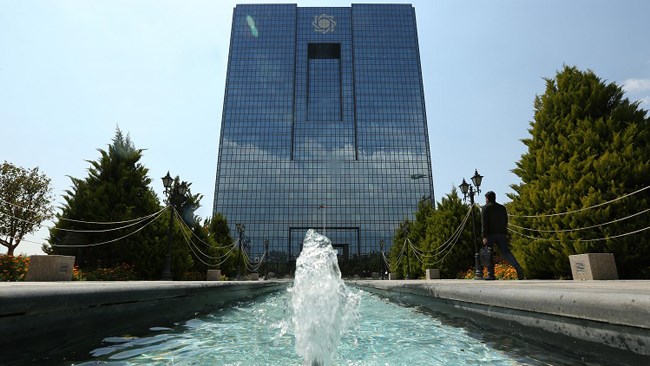
With this set of new measures, OFAC intended to increase pressure on China-linked demand for Iranian oil and to restrict/close maritime and crypto loopholes in sanctions evasion. Specific targets were one Chinese “teapot” refinery (Hengli Petrochemical), a major Iranian oil buyer, 40 or so shadow fleet vessels and shipping firms, and the sanctions included an updated designation as well for the Central Bank of Iran (with crypto addresses added).
April 28, 2026 – “Shadow banking” network crackdown
In one of the largest actions announced in April, OFAC issued new measures to dismantle Iran’s covert international financial system. Some announcements covering shadow banking continued into early May as well. This shadow banking system supports IRGC-linked operations, Iran’s proxy funding and the transfer of oil revenues. This action named 35 individuals and entities and a global network of shell companies (the “Rahbar” system).
May 1, 2026 – Currency exchange and money laundering networks
Escalating financial system sanctions was the objective of the sanctions measures announced in early May. This included three major Iranian currency exchanges and about 15 front companies. Collectively, Iranian exchange houses are said to facilitate billions of dollars in foreign currency transactions each year. Because Iran primarily settles its oil sales in Chinese yuan and access to the U.S. financial system is blocked, these exchange houses have played an important role in converting oil revenues into currencies that are more readily useable by the Iranian military and its partners and proxies.
Next steps
Moving further into May, OFAC is reportedly preparing additional measures to reinforce the U.S. maritime blockade. Targets are expected to be any shipping firms found to be paying Iran for Hormuz transits (“tolls”), and additional Chinese oil terminal and refinery actors.