
On March 12, the United States temporarily waived existing sanctions on Russian oil that is already at sea, allowing it to be delivered to buyers around the world without fear of the normal enforcement complications from U.S. sanctions violations.
While the administration of U.S. President Donald Trump utilizes every possible channel to mitigate surging energy prices because of the war in Iran, this politically unsavory decision by the Trump White House may well turn out to be both costly and ineffective, even though it is designed to address the specific issue of war-related supply disruptions.
The formal announcement of the 30-day waiver was made publicly by Treasury Secretary Scott Bessent, including a statement on social media and the Treasury website explaining the policy. The mechanism used in this case was the issuance of a temporary Treasury “general license” (waiver) under U.S. sanctions regulations. It temporarily permits transactions that would otherwise violate sanctions; in this case it allowed buyers worldwide to take delivery of sanctioned Russian oil cargoes already at sea as of March 12.
Waiver intended to stabilize oil markets
U.S. officials have said the waiver was meant to stabilize global oil markets after supply disruptions tied to the Iran conflict and the closure of the Strait of Hormuz. The Treasury Department is framing the decision as an important market-stabilization measure, arguing the oil had already been taxed by Russia at extraction and thus the waiver would not meaningfully increase Russian revenues.
The temporary sanctions waiver followed a series of other steps the U.S. has announced or is discussing in an attempt to slow the price increases. The Trump administration has announced it would release 172 million barrels of oil from the U.S. strategic reserves. The
sanctions waiver only lasts 30 days and only cargoes loaded before the cutoff date were covered. Existing sanctions on Russian oil companies and future exports remain in force.
Trump critics in Washington have already voiced fears that the waiver will be extended if the war with Iran continues, reminding that the Trump administration moved quickly to free some Russian oil shipments in the first week of the war (already at sea) that were set to be delivered to India. Other critics recall Trump’s one year waiver for Hungary in November 2025 to continue to purchase Russian oil, with the intention of supporting longtime ally Prime Minister Viktor Orban in the upcoming April elections.
Other U.S. critics are infuriated that any waiver was issued despite multiple reports that Russia has provided Iran with sufficient information to target U.S. military facilities across the Middle East. Other analysts note the Trump administration has spent as much time issuing waivers for Russian oil exports as it has increasing the pressure through Trump’s limited new sanctions on Russian oil companies last year.
The key concept highlighted by the Treasury Department of “oil stranded at sea” was not accidental. It denotes a specific logistical problem in the global oil market that the U.S. Government was trying to unblock with the waiver.
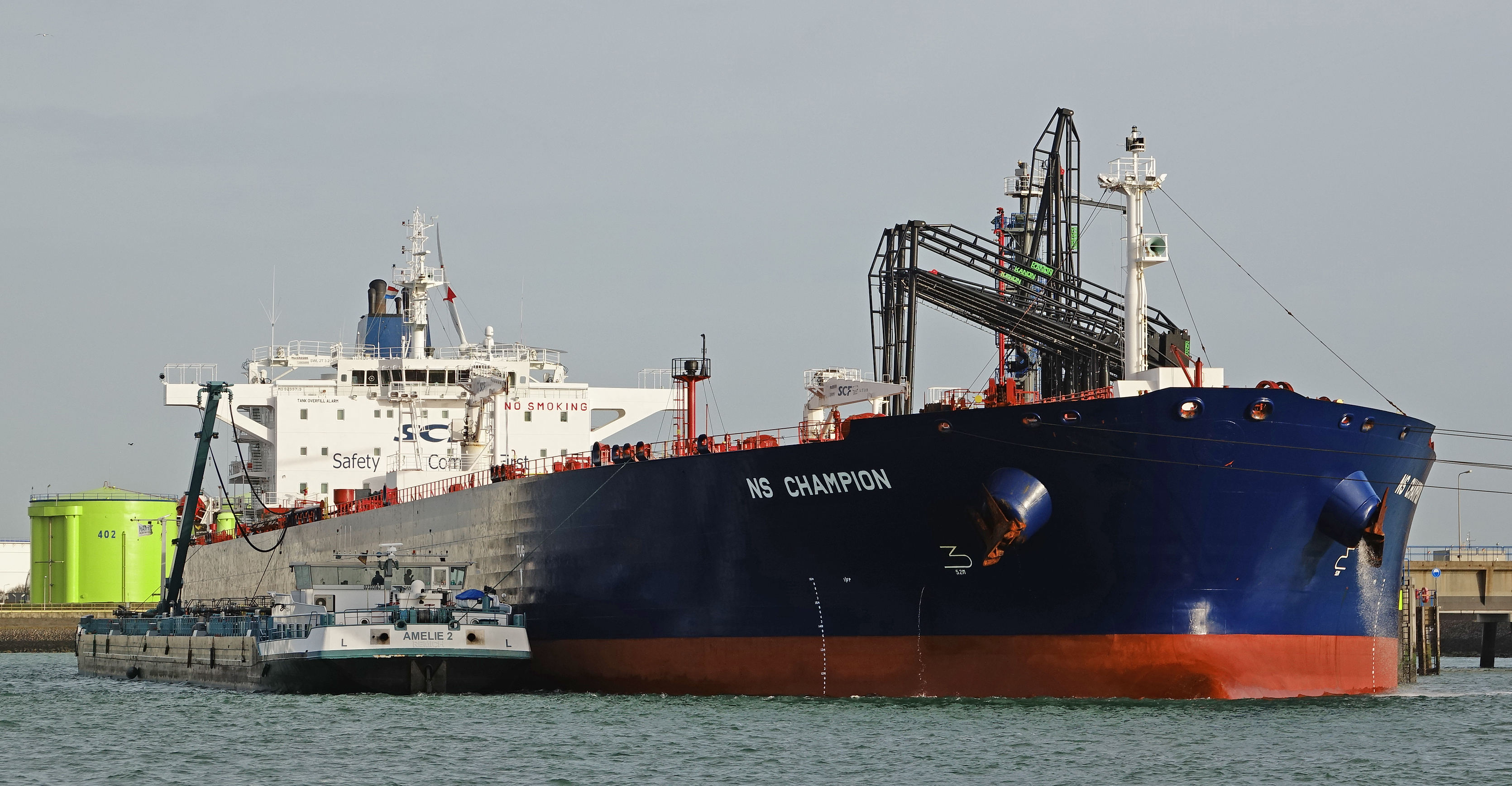
Roughly 100 – 140 million barrels of Russian crude were estimated to be sitting on tankers in international waters, much of which had been loaded without final sales contracts. Because refiners feared violating sanctions and oil storage was already tight in Russia, these so-called “shadow fleet” tankers themselves became floating storage units.
Energy analysts describe Washington’s waiver as “market plumbing” because the 30-day waiver would immediately release extra supply from the “shadow fleet” tankers for a few weeks while lowering short-term price pressure. It should also allow vigilant port authorities to collect much more information on “shadow fleet” vessels for use later.
European reactions register quickly
The European Union and the UK have said they would not be following the United States in reducing sanctions on Russia. AFP quotes Ukrainian President Volodymyr Zelensky, saying the U.S. move could give Russia about $10 billion in added income that could be applied to the war.
The unilateral decision by the US to lift sanctions on Russian oil exports is very concerning, as it impacts European security.
— António Costa (@eucopresident) March 13, 2026
Increasing economic pressure on Russia is decisive for it to accept a serious negotiation for a just and lasting peace.
Weakening sanctions…
German Chancellor Friedrich Merz said that “easing sanctions now, for whatever reason, would be wrong” and noted that support for Ukraine should not become “distracted or dissuaded” by the war in Middle East in a press conference on March 13. Merz revealed that six of the seven G7 leaders had agreed that lifting sanctions was not “the right signal to send” when they held a joint meeting this week. As usual, the U.S. was the exception.
“The unilateral decision by the U.S. to lift sanctions on Russian oil exports is very concerning, as it impacts European security,” António Costa, President of the European Council, added in separate comments, stressing that Russia is the only beneficiary of the current situation, which sees Moscow coffers cashing in on the war.
Additional measures regarding price stability
On March 18, President Trump issued a 60-day suspension of the Jones Act, which is essentially century old legislation which required goods moved between domestic ports to travel on American-built and operated vessels. This suspension is intended to lower transport costs by temporarily expanding the pool of available transport vessels for domestic use. Previous U.S. presidents have waived the Jones Act for other disruptions, including natural disasters.
“This action will allow vital resources like oil, natural gas, fertilizer, and coal to flow freely to U.S. ports for sixty days, and the Administration remains committed to continuing to strengthen our critical supply chains” said White House Press Secretary Karoline Leavitt.