
While it may seem as though only one subject has dominated the news for the past year, and our lives came to a very literal standstill, the world did in fact continue to turn; and in recent months, there have been some momentous political developments.
A Brexit deal was hammered out at the eleventh hour ahead of the 1st of January deadline, Donald Trump left the White House, but not before inciting the biggest attack on American democracy in more than 200 years, several Gulf countries officially normalised relations with Israel and the four-year Qatar blockade by the UAE, Saudi Arabia, Bahrain and Egypt came to an end when the agreement was reached to restore full diplomatic ties. In hindsight, these all look to be hugely positive events that could potentially have a lasting impact on global peace and stability.
While all eyes have been on these international stories, a power shift in a country so closely tied to European peace and security concerns has continued to play out in the background.
Beyond its strategic regional importance in North Africa and the Middle East, Libya, for all intents and purpose, has a long, chequered history with Europe and the UK. The Arab Spring in 2011 brought with it a sense of hope that things were finally beginning to change. The fall of Muammar Gaddafi and his regime was meant to be a new start for the Libyan people; what followed, however, was a decade of civil unrest and seemingly endless internecine war.
Now, however, there is renewed hope for long term peace and stability as a new statesman emerges from the plethora of characters that have been involved at the heart of Libyan politics since 2011.
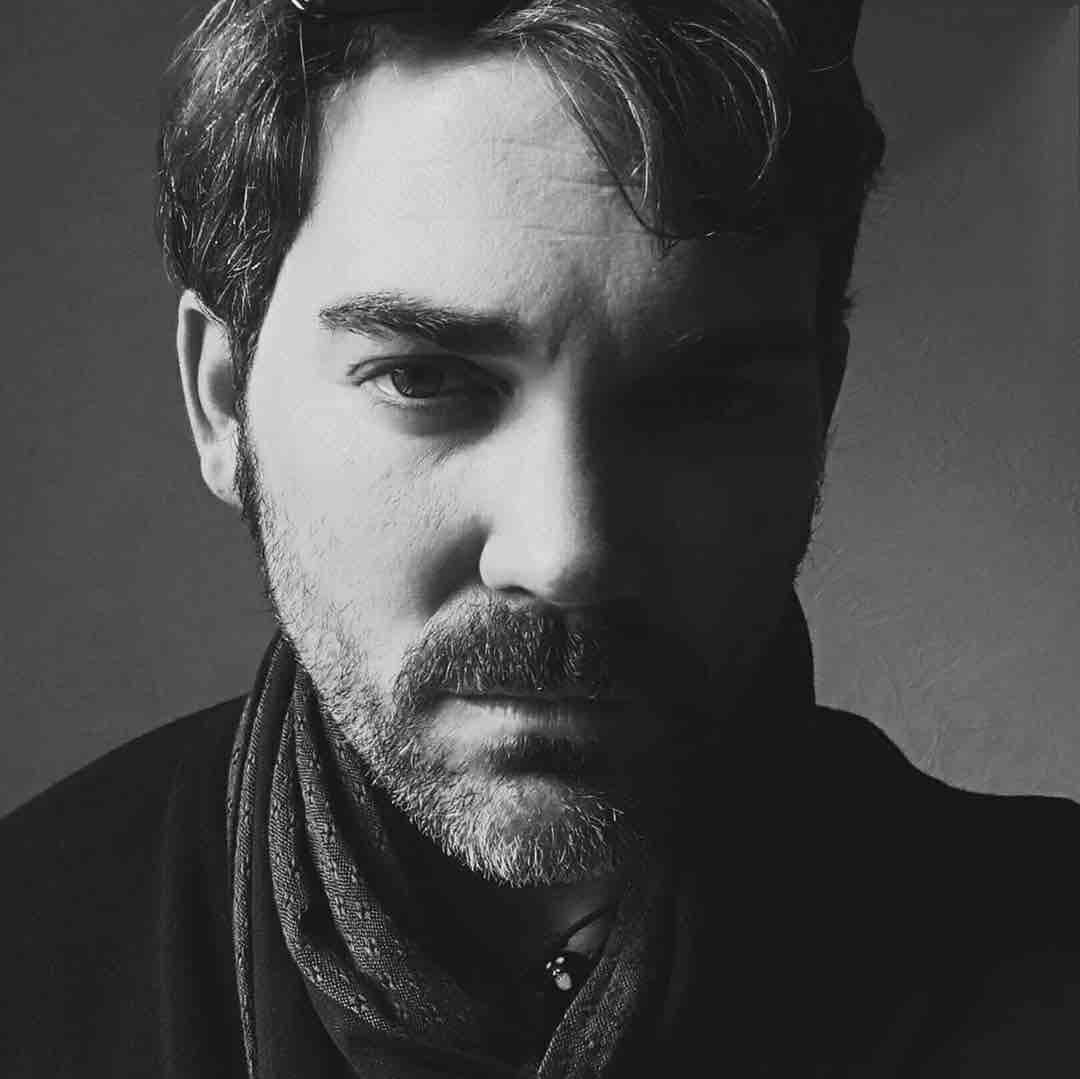
Fathi Bashagha, a 58-year-old former fighter pilot from Misrata, has served as Minister of Interior for the Government of National Accord since 2018 when he was appointed by Prime Minister Fayez Al-Sarraj. However, he is not a career politician, like so many before him. His career began after he graduated from Misrata’s aviation college in 1984. After almost a decade training other pilots to fly fighter jets, he left the Air Force for civilian life and started a business in the import-export trade.
Bashagha believed his military career behind him until the revolution in 2011. Following the fall of the Gaddafi regime, a judicial committee was formed, and Bashagha, along with other serving and retired military officers, were summoned to form a military committee, known as the Military Council of Misrata.
His initial role was Head of the Information and Co-ordinates Department, and he quickly became the spokesman for the Council, before joining the advisory committee at the National Reconciliation Commission. In 2014, he was elected to the House of Representatives for Misrata but has boycotted the institution since the outbreak of the second civil war.
It was during this time did he start to emerge as a serious reformer for security issues Libya faced. He co-ordinated air and ground military operations between the Al-Bunyan Al-Marsous forces, AFRICOM forces and the International Counter-Terrorism Coalition to help fight ISIS’ mandate in Libya. This role, alongside his work in the Parliament’s Political Dialogue Commission, in partnership with the UN, where he emerged as the leading figure to bring together the warring factions ahead of the peace agreement signed in 2015 in the Moroccan city of Skhirat, is what led to his appointment as Minister of Interior in 2018.
Upon assuming office, Bashagha quickly got to work reforming the ministry from the inside out. Once he had reorganised and restructured procedures and the administration, he looked to address the key external security issues. At a local level, this meant the establishment of a professional police force which proved successful at reducing crime and most significantly, minimise the impact of the armed militias that historically had wielded considerable influence. In a move like the UAE, there is now a mobile police app that allows people to report crime without the need to visit a police station, thus allowing cases to be investigated and closed more efficiently that the old system of bureaucracy.
He has previously faced questions over his historic political ties, most notably to Turkey and its relationship with the Muslim Brotherhood, which has, in the past, been a cause for serious concern across the much of the Middle East and the European Union, particularly in Egypt and France. However, since his appointment as Minister of the Interior in 2018, Bashagha has been very vocal in his fight against terrorism and corruption. He was the first Libyan government minister to launch a campaign to fight institutional corruption within the government working closely with the Attorney General to bring charges against several high-profile officials from across the entire national infrastructure.
In recent years, the Ministry of Interior has prioritised its counter-terrorism campaign, and the Minister has personally worked closely with European and US counterparts and international security organisations to assist in the capture of known terrorists and wanted individuals, most notably in the capture and subsequent extradition to the UK of Hashem Al-Obaidi, brother of the Manchester Arena bomber, who fled to Libya after the attack. He also played a pivotal role in the recent arrest of Abdul Rahman Milad, a known human trafficker wanted by the United Nations Security Council among other foreign governments.
The Ministry’s newly formed Financial Crimes Unit commissioned a business intelligence firm to help implement anti-terror financing and anti-money laundering regulations. To date, this has saved almost $500 million that would otherwise have made its way to armed groups and insurgents.
In recent months, the Minister has met with many of his Western counterparts, including Italy and Malta and has held meetings with the Deputy US Ambassador to Libya and travelled to France to hold talks with both security and political leadership. The aim of these meetings is not only to win support but also to seek guidance and support. Bashagha has been open and modest enough to admit the country lacks the capacity and skill to implement reforms alone. In his November visit to France, the ministry signed a Memorandum of Understanding with French security firm Idemia, to put in place a biometric digital identity system. Among other things, Bashagha hopes this will enable the country to hold credible and fraud-free elections later this year.
What happens next in Libya is anyone’s guess. If recent history has taught us anything, it is that nothing and no one is permanent in government and politics, particularly in the Middle East. That said, if Bashagha becomes interim Prime Minister, ahead of elections in December, the outlook for Libya looks positive for the first time in a long while, and European nations would be wise not to waste an opportunity to strengthen ties with a leadership that is not only willing to listen but also co-operate.