


The global climate transition is accelerating faster than ever. Governments, industries, investors, and researchers across the world are searching for technologies capable of reducing emissions, improving sustainability, and supporting the future energy ecosystem. Batteries, hydrogen, solar, wind, and artificial intelligence are now central parts of this global conversation. Yet the reality is that no single technology alone will solve the climate crisis.
The future of sustainable energy and climate resilience will likely emerge through a combination of complementary systems, including some that today still remain largely unexplored.
One of these emerging pathways involves biological systems and microalgae-based innovation.
Across the scientific and climate-tech communities, microalgae are attracting increasing attention because of their unique biological characteristics. They are among the most efficient natural organisms for absorbing carbon dioxide, while also demonstrating potential applications connected to sustainability, biotechnology, circular economy models, and future energy-related systems.
Although much of this field remains in the research and experimental stage, the broader importance of biological climate technologies deserves more attention within international climate discussions.
This is especially true for younger innovators and interdisciplinary startups trying to bridge science, sustainability, and entrepreneurship.
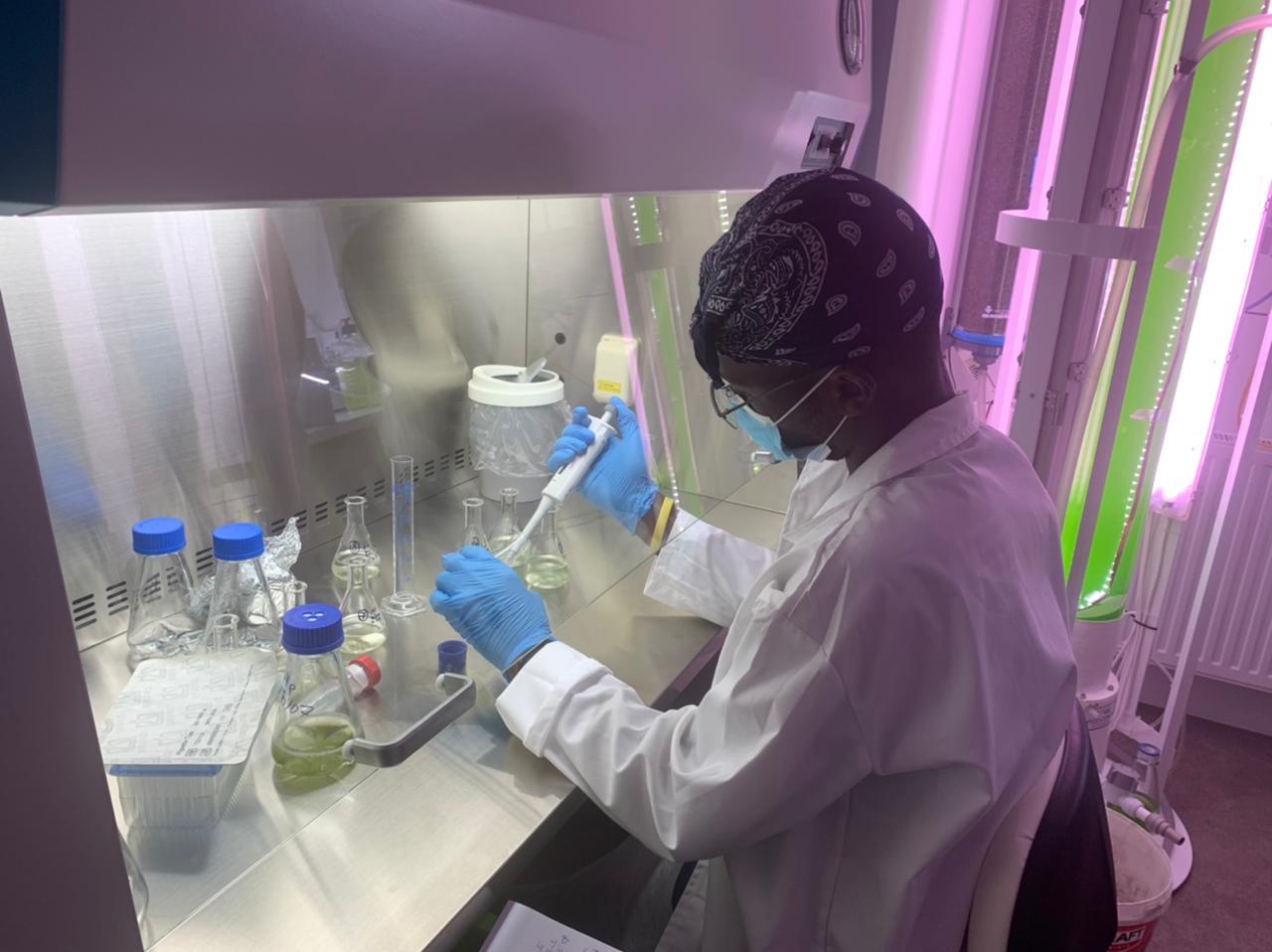
In Greece, a new generation of climate-focused innovators is beginning to emerge despite limited resources and structural challenges. Among them is A2E (Algae to Energy), a Greek climate deep-tech startup connected with the University of West Attica. Our work explores how microalgae and biological systems may contribute to future carbon-conscious and sustainable energy ecosystems through approaches related to bio photovoltaic, bio-battery, and bio-electrochemical systems.
The purpose is not to present algae as a “magic solution” or as a replacement for existing renewable technologies. On the contrary, the climate transition will require strong collaboration between multiple technologies working together. Biological systems may eventually become complementary tools alongside batteries, renewable infrastructure, and decentralized energy systems.

What makes this area particularly interesting is not only the scientific potential, but also the broader philosophy behind it.
Climate innovation should not focus solely on efficiency and industrial scaling. It must also encourage new and innovative ways of thinking about sustainability, ecosystems, carbon utilization, and humanity’s relationship with natural systems. Biological technologies invite us to rethink how energy, environmental responsibility, and circular innovation can surely coexist.
However, moving climate deep-tech from research into real-world implementation remains extremely difficult. One of the greatest challenges facing deep-tech startups today is the gap between laboratory validation and industrial-scale pilot systems. Many promising climate technologies demonstrate scientific potential in small controlled environments, but struggle to secure the long-term funding, industrial partnerships, infrastructure, and ecosystem support required for commercialization.
This challenge is particularly significant in Southern and Eastern Europe, where younger innovation ecosystems often face additional structural barriers compared to larger global technology hubs.
At the same time, climate entrepreneurship itself is evolving. A growing number of younger founders no longer view sustainability as a secondary business objective. Instead, environmental impact is becoming central to the mission itself. For many climate startups, the goal is not simply profit generation but contributing to long-term solutions for global environmental challenges.
This shift matters. The climate transition will require not only capital and infrastructure, but also cultural transformation, interdisciplinary collaboration, and patient support for long-term scientific innovation.
Universities, startups, public institutions, investors, industries, and policymakers all have a role to play in creating ecosystems where emerging climate technologies can mature responsibly.
The future energy landscape will likely be far more diverse than today’s dominant narratives suggest. Alongside batteries, hydrogen, renewables, and digital systems, biological innovation may gradually become part of the broader climate ecosystem.
Whether through carbon-conscious technologies, bio-electrochemical systems, sustainable materials, or circular biological processes, these approaches deserve thoughtful exploration rather than dismissal simply because they challenge conventional industrial models.
Climate change itself is already forcing humanity to rethink established systems. Solving such a global challenge will require not only optimization of existing technologies, but also openness toward unconventional and interdisciplinary innovation.
The next generation of climate solutions may emerge not only from major corporations and large research institutions, but also from smaller research-driven teams willing to experiment, collaborate, and think differently about the future.
Because ultimately, the energy transition is not only about technology. It is about imagination, responsibility, and the willingness to build sustainable systems capable of serving the future generations.